 CoolCrazyGames
Timing Games
Timing games test a player's ability to act at precise moments to achieve a desired outcome. The core loop often requires waiting for the correct visual or auditory cue before committing to an action. reaction time games are built around this fundamental principle of synchronization. The genre typically demands patience and focus over rapid inputs.

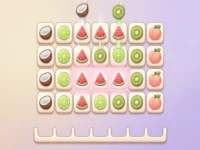



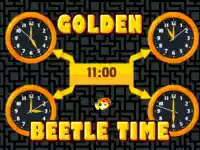

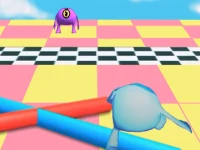
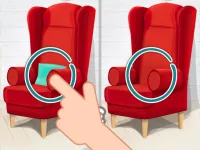


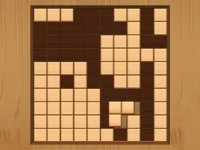
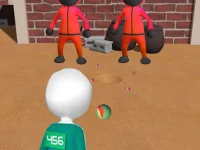











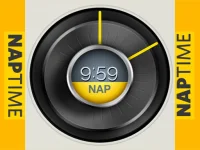





Getting Into Timing games
Steadily observe the visual cues and press the input button at the exact moment the target aligns with the designated zone.
Core Experience
The primary mechanic involves matching an action to a specific moment in a continuous cycle or moving element. Success in perfect timing games is often binary, resulting in either a clear success or an immediate failure state. Players must maintain focus to execute the required input within a very narrow window of opportunity. rhythm timing games require a steady internal clock to synchronize actions with audio or visual beats. The experience is defined by repeated attempts to achieve consistent precision in a precision challenge games environment.
Pro Advice
Consistent practice helps develop the muscle memory needed for precise inputs. Instead of rushing, wait for the optimal moment to act. Use audio cues to help synchronize your actions. Focus on the rhythm of the moving elements to improve timing.
Timing Facts
Q: What are the typical controls? A: The controls are usually a single button or tap action.
Q: What is the main objective? A: The objective is to perform an action at the exact correct moment.
Q: Is there a stated narrative? A: Not stated.
Q: What is the main mechanic? A: The main mechanic is reacting to visual or audio cues.