 CoolCrazyGames
Multiplayer Games
Multiplayer games involve multiple participants interacting within a shared virtual environment. Typically players coordinate actions or compete against each other for defined outcomes. These games rely on network connections to synchronize states between devices. The core objective often involves achieving collective goals or surpassing rival teams in cooperative multiplayer games.







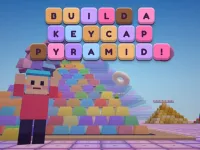

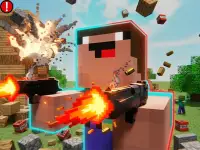

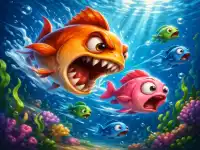
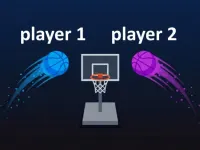

















Getting Into Multiplayer games
Players Steadily join sessions and select roles before starting the shared activity.
Core Experience
The mechanics usually require players to communicate via text or voice to coordinate strategies effectively. Common objectives include capturing points or eliminating opponents using standard input devices like controllers or keyboards. Persistent interaction with other participants creates dynamic situations that change based on team decisions and enemy actions. The experience is defined by online multiplayer games where success depends on group performance rather than individual skill alone.
Pro Advice
Focus on clear communication to avoid misunderstandings during critical moments in the match. Instead of playing alone, stick to the team plan to maximize efficiency and survival. Manage resources carefully because shared assets affect the entire group's ability to proceed. Practice consistent coordination to improve reaction times and overall effectiveness in real-time multiplayer games.
Multiplayer Facts
Q: What controls are used? A: Standard controllers or keyboards are typically used for input.
Q: What is the main objective? A: The main objective is to cooperate or compete against other players.
Q: Are there specific named characters? A: Not stated.
Q: What is the primary mechanic? A: The primary mechanic is synchronized interaction with other human participants.