 CoolCrazyGames
Action Games
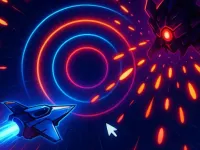
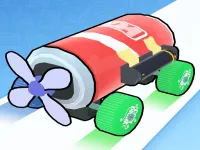
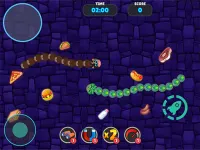
Action games focus on direct player control and immediate physical challenges. They often require quick reactions and precise input from the player. The genre typically involves combat or navigation through hazardous environments. A common goal is to overcome obstacles and defeat opponents efficiently, as seen in action combat games.













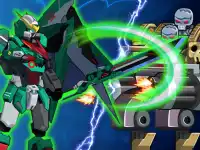
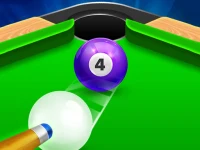

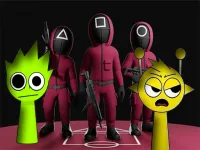
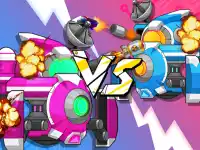




Getting Into Action games
Steadily use the provided controls to move your character and interact with the environment.
Core Experience
The core loop involves navigating spaces and engaging with threats using direct input methods like buttons or sticks. Players must react quickly to visual cues to avoid damage and position themselves for effective strikes. This constant demand for attention defines the experience of fast paced action games.
Common mechanics include real-time movement, aiming, and the execution of attacks or defensive maneuvers. Success often depends on managing spatial awareness while applying force against targets. These elements combine to create the signature flow of action platformer games.
Environments are designed to test reflexes through moving hazards and enemy placements. Players must master timing and control to progress through these spaces. The satisfaction comes from executing precise actions under pressure in arcade action games.
Pro Advice
Maintain awareness of your surroundings to anticipate incoming threats before they appear. Practice the basic movement and attack inputs until they become automatic responses. Do not rush blindly into new areas as multiplayer action games require patience. Instead, observe enemy patterns and look for safe openings to advance.
Action Facts
Q: What are typical controls? A: Inputs usually involve buttons for movement and actions.
Q: What is the main objective? A: The objective is often to defeat enemies or reach a goal.
Q: Is there a specific story? A: Not stated.
Q: What is the main mechanic? A: The main mechanic is real-time physical interaction.