 CoolCrazyGames
Where Is The Balls
Where Is The BallsSimilar games

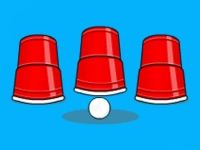


Where Is The Balls
Where Is The Balls is a game about observation.
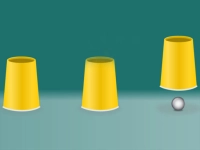
Where Is The Balls is a game about observation. i track the cups as they move and stop. The game starts with a ball under a cup, and you choose three or six cups. The cups shuffle positions rapidly, and you must guess the correct one to win. This tests your memory and reflexes under pressure.
How To Play Where Is The Balls
Step involves watching the cups move and stopping to guess, you must track the ball as it changes places.
Controls and Features
You choose three or six cups to start the challenge. The game speeds up after each correct guess, which makes it harder to keep up. You click on the cup you think hides the ball, and your score increases when you are right. The features include random shuffling and increasing pace.
Tips
Quick observation is key to winning this game. Most tips suggest focusing on the starting position. The mechanics involve tracking the ball as cups move and shuffle. You must click the correct cup after the movement stops. The pace increases after each win, so stay concentrated.
Where Is The Balls FAQs.
Q: What are the controls? A: You click on a cup to guess where the ball is.
Q: What is the objective? A: Guess which cup hides the ball after the shuffle.
Q: What is one stated feature? A: The pace increases after a correct guess.
Q: What is the main mechanic? A: Observation and tracking the ball under moving cups.
Similar Memory Cup Shuffle Arcade Game
Track the ball as cups move and stop, I think this one is tough, you must guess the correct one to win. Start with three or six cups and Where Is The Ball ? choose the right one after rapid shuffling to test memory and reflexes.
About this game
- Supported devices
- Desktop
- Genre
- Hypercasual Games
- Release date
- 17 November 2024
- Latest update
- 17 November 2024
- Rating
- No ratings yet