 CoolCrazyGames
Watermelon Games
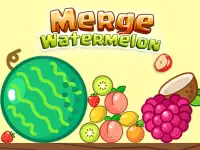
Watermelon games present a simple, repetitive task of combining matching fruit items on a limited grid. The player must manage space carefully to prevent the screen from filling up completely with objects. This genre typically involves basic physics and collision detection for item placement. These watermelon games offer a passive experience suitable for late-night sessions.











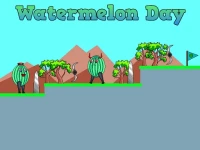
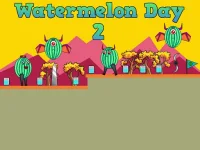


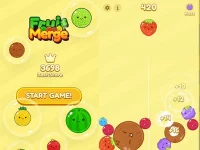





Getting Into watermelon games
Steadily combine matching fruits to clear space and achieve higher scores without rushing the process.
Core Experience
The core loop involves dropping items from the top of the screen and watching them settle based on simple physics. Players must plan drops to merge identical objects into larger fruits to free up valuable grid space. This mechanic defines the standard fruit merge games experience where space management is the primary concern. Each merge creates a larger object that occupies more area but removes two smaller ones from the board. The game continues until no space remains for new items to appear.
Pro Advice
Focus on creating a flat surface of items to control where new pieces land. Instead of aiming for the center every time, use the edges to build stable stacks. Keep larger fruits at the bottom to provide a solid base for smaller items. This approach helps maintain order within the casual puzzle games environment.
watermelon games Facts
Q: What are the typical controls? A: Interactions usually involve aiming and dropping items onto a surface.
Q: What is the main objective? A: The goal is to merge matching fruits to clear space.
Q: Is there a specific story? A: Not stated, the focus is on the mechanical loop.
Q: What is the main mechanic? A: The mechanic relies on physics-based collision and item merging.