 CoolCrazyGames
Tetris Games
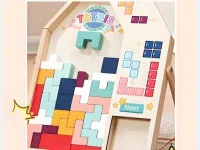
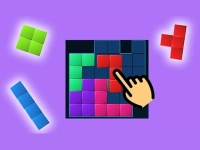
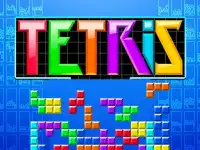
Tetris games present a classic block-stacking challenge that has persisted through decades of electronic entertainment. The core loop involves fitting descending geometric shapes into horizontal lines to clear them from the playfield. This category of puzzle games requires spatial awareness and quick decision-making under pressure. Many players seek out puzzle block games for their straightforward yet demanding nature.

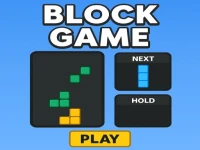

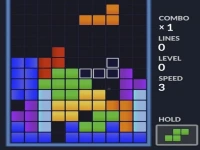



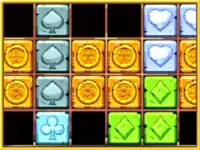
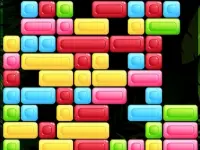
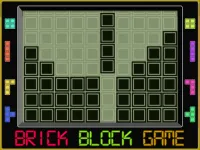
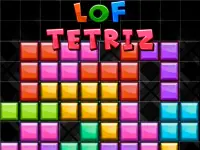
Getting Into Tetris games
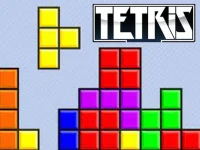
Steadily arrange falling tetrominoes to complete lines and prevent the stack from reaching the top of the playfield.
Core Experience
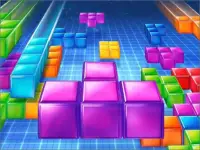
The gameplay loop centers on manipulating falling pieces to create solid horizontal lines which then vanish from the grid. Players must manage the increasing speed of the pieces while planning future placements to avoid filling up the space. This constant balancing act defines the enduring appeal of stacking puzzle games and line clearing games for many enthusiasts. The primary goal is to survive as long as possible before the playfield fills completely.
Pro Advice
Focus on creating flat surfaces to allow new pieces to land smoothly without creating gaps. It is often better to sacrifice a single piece to set up a larger clear later. Instead of reacting to every piece immediately, take a moment to assess the upcoming shapes. Consistent practice with classic arcade games will improve reaction time and spatial planning.
Tetris Facts
Q: What are the common controls? A: Inputs typically involve moving pieces left and right, rotating them, and dropping them faster.
Q: What is the main objective? A: The objective is to arrange pieces to complete horizontal lines to clear them from the board.
Q: What is a stated feature? A: A stated feature is the continuous falling of geometric shapes that the player must place.
Q: What is the main mechanic? A: The main mechanic is stacking various shaped blocks to clear lines and prevent overflow.