 CoolCrazyGames
Sudoku Games
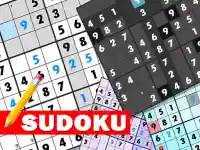
Sudoku games present a familiar grid-based challenge where numbers fill each cell without repetition. Typically this genre relies on pure logic and pattern recognition from the player. The core loop involves scanning rows columns and boxes to find the correct placement for each number. Players engage with these digital sudoku games to exercise their mental faculties during quiet moments.

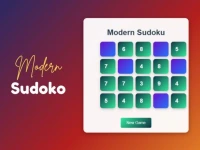

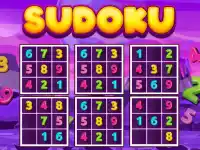







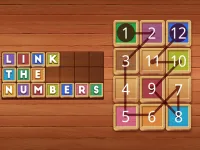




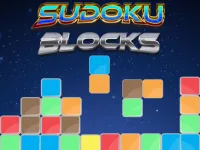

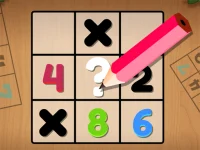
Getting Into Sudoku games
Steadily place numbers into the grid using the standard Sudoku rules to complete the puzzle successfully.
Core Experience
The core experience involves a persistent mental engagement where the player must deduce the correct number for each empty cell based on existing entries. The objective is to fill every row column and 3x3 box with the digits one through nine without repeating any number in any group. This process requires careful observation and logical reasoning as the player works through the grid to achieve a complete and valid solution for the logical puzzle games category. The focus remains on the silent interaction between the player and the numerical grid in these brain training games.
Pro Advice
Start by scanning the entire grid for cells that have only one possible number. Use pencil marks to note potential candidates in empty cells for complex puzzles. Focus on one number at a time to reduce the overall uncertainty in the grid. This methodical approach is key for number puzzle games success.
Sudoku Facts
Q: What are the primary controls? A: Not stated.
Q: What is the main objective? A: Fill the grid so each row column and box contains unique numbers.
Q: Is there a timer? A: Not stated.
Q: What is the core mechanic? A: Logical deduction to place numbers in empty cells.