 CoolCrazyGames
Shape Games
Shape games involve manipulating geometric forms to achieve objectives like fitting pieces into spaces or aligning colors. These titles often require spatial reasoning and quick visual matching to progress through the gameplay. The genre typically features simple controls and clear visual feedback for player actions. This makes shape matching games accessible for various players.





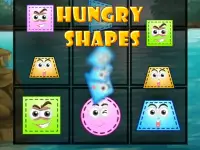

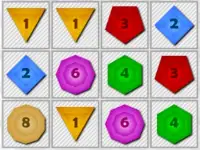









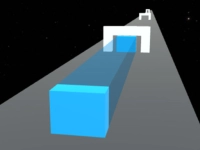



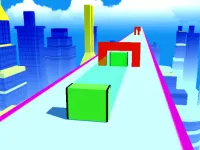
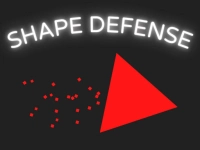

Getting Into shape games
Steadily use the mouse to drag and drop shapes into their corresponding outlines to clear the board.
Core Experience
The core loop focuses on identifying the correct placement for each shape based on its outline or color. Players must manage multiple falling or moving shapes simultaneously to prevent the screen from filling up. Success in these games relies on pattern recognition and spatial awareness rather than complex input commands. This defines the standard gameplay for falling shape games and puzzle shape games.
Pro Advice
Focus on the shapes that are closest to their destination to maintain control. Instead of rushing, take a moment to plan the next few moves. Consistent placement prevents the board from becoming cluttered and unmanageable. This approach is essential for geometric puzzle games.
shape Facts
Q: What are the typical controls? A: Usually a mouse or touch input to drag and drop shapes.
Q: What is the main objective? A: Fit shapes into matching holes or clear them from the board.
Q: Is there a specific story? A: Not stated, gameplay is the primary focus.
Q: What is the main mechanic? A: Spatial matching and alignment of geometric forms.