 CoolCrazyGames
Pirate Games
Pirate games place the player in command of a ship on open water. Gameplay focuses on steering a vessel, managing resources, and facing maritime conflict. These titles often involve trading goods between ports to increase wealth. The genre commonly uses a combination of exploration and combat mechanics. A typical pirate ship game requires constant attention to wind direction and hull integrity.








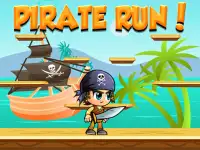

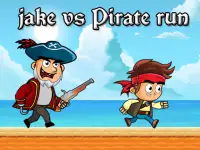
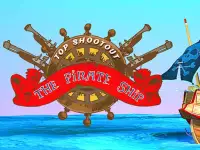


Getting Into Pirate games
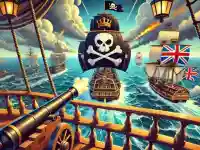
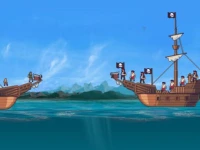
Steadily steer the ship using the wheel to maintain course and engage in naval battles to defeat enemy vessels.
Core Experience
Core gameplay involves sailing across a vast ocean map to locate ports and trade routes for profit. Players must manage inventory space and decide which goods to buy low and sell high at different locations. Combat encounters require aiming broadside cannons and timing shots to damage opposing ships while avoiding return fire. These elements combine to create a loop of travel, commerce, and conflict. A good naval combat game focuses on these interactions. Success in a trading game depends on economic decisions.
Pro Advice
Always check the wind direction before setting sail to maximize speed and maneuverability during travel. Keep the ship's hull repaired at every port to avoid sinking during unexpected battles. Prioritize upgrading cannon capacity to handle stronger foes encountered on the high seas. Instead of chasing every fight, calculate the risk versus reward of each engagement carefully. A solid exploration game rewards patience and planning.
Pirate Facts
Q: What are the typical controls? A: Controls usually involve steering a ship and firing cannons.
Q: What is the main objective? A: The main objective is to trade goods and defeat rivals.
Q: Is there multiplayer? A: Not stated.
Q: What is a core mechanic? A: A core mechanic is sailing between ports and managing resources.