 CoolCrazyGames
Pipe Games
Pipe games present a straightforward puzzle challenge where players connect sections to complete a fluid path. The core objective often involves rotating pieces to guide water or oil from a source to a destination. These games typically use simple point and click controls that make them accessible for short sessions. This genre relies on logical placement and timing to prevent leaks or blockages in the flow.


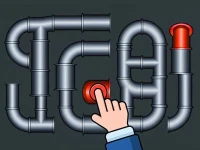
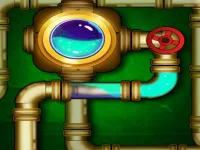
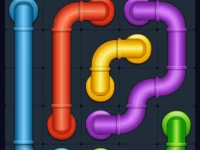











Getting Into Pipe games
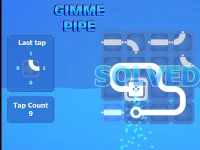
Players must rotate and place pipe segments to form a continuous line between two endpoints. The goal is to complete the path without wasting resources or losing the flow. Success requires careful planning and steady adjustment of each piece. This process defines the core of puzzle pipe games.
Core Experience
The gameplay loop centers on observing the grid and identifying the correct orientation for each pipe component to create a sealed connection. Players must act quickly as the fluid often begins flowing immediately, creating a time-sensitive puzzle that demands efficient decision making. This constant pressure defines the experience in many plumbing puzzle games that focus on hydraulic systems. Visual feedback shows the liquid movement, confirming correct placement or highlighting gaps that need immediate correction. The satisfaction comes from watching the entire system function perfectly once all connections are secured. This visual reward loop is a staple in water flow games that emphasize mechanical cause and effect. The difficulty scales by introducing more complex pipe shapes and longer paths to navigate.
Pro Advice
Always scan the entire board before placing the first piece to understand the potential paths. Focus on connecting the source and sink first, then fill in the middle sections to avoid dead ends. If a section does not fit, rotate it immediately instead of forcing a connection that will leak. Patience is key, but do not delay too long as the fluid flow may time out in some scenarios. Practice these steps in construction pipe games for better results.
Pipe Facts
Q: What are the primary controls? A: Usually point and click to rotate and place pipes.
Q: What is the main objective? A: Connect the start and end points with a continuous pipe.
Q: Is there a time limit? A: Not stated, though flow often adds urgency.
Q: What is the core mechanic? A: Rotating and aligning pipe segments to form a path.