 CoolCrazyGames
Ping Pong Games
Ping pong games simulate table tennis using simple inputs and fast reaction time. They focus on returning a ball across a net to outscore an opponent. Gameplay emphasizes timing and precision rather than complex strategy or narrative depth. These digital ping pong games deliver straightforward competitive action suitable for short sessions.

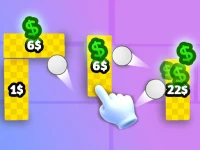







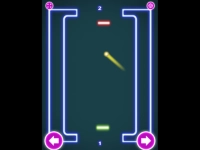




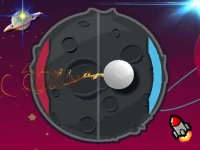
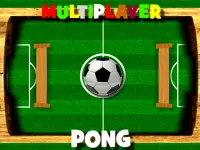








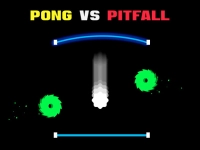
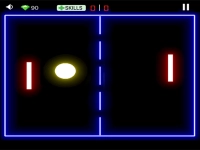


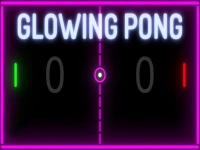
Getting Into ping pong games
Steadily return the ball using basic paddle controls to maintain rallies and score points against the opponent.
Core Experience
The core loop involves tracking ball trajectory and positioning the paddle for accurate returns during play. Players must anticipate bounce angles and adjust shot direction to keep the rally going effectively. Success relies on consistent timing and controlled placement to force errors from the opposing side. These elements define the standard mechanics found in most table tennis games and arcade ping pong games where quick reflexes matter.
Pro Advice
Focus on consistent placement rather than power to keep the ball in play during long rallies. Instead of chasing every shot, anticipate the ball's path and move the paddle early. Practice returning serves with varied angles to disrupt predictable patterns and gain control. Use gentle inputs to fine tune shot direction and maintain steady rhythm throughout matches.
ping pong Facts
Q: What controls are used? A: Paddle movement and basic shot direction are the primary controls.
Q: What is the main objective? A: Score points by returning the ball past the opponent.
Q: Is there a stated story? A: Not stated.
Q: What is the core mechanic? A: Tracking ball trajectory and timing accurate returns.