 CoolCrazyGames
Matching Games
Matching games present a straightforward loop of identifying and pairing similar items. The genre focuses on visual recognition and pattern clearing across a grid layout. This is a standard form of digital entertainment for many players. The core of playing match three games involves repetitive tile selection.
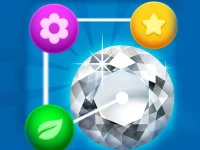
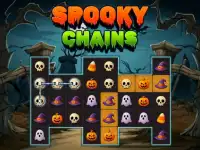

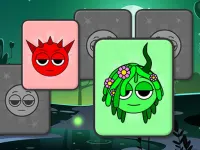
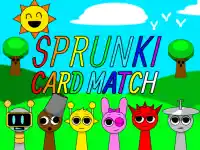

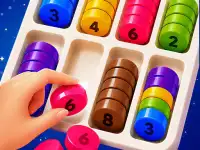
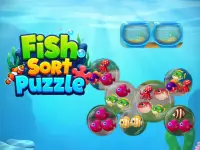









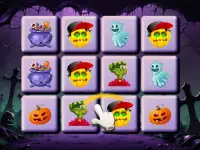
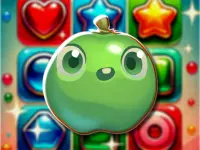

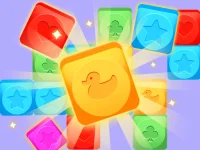


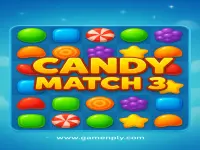


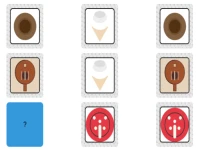
Getting Into Matching games
Steadily match adjacent tiles to clear them from the board before the time expires.
Core Experience
The core loop involves scanning a grid to find two identical symbols that sit next to each other. Players must select these items to remove them from play and open up space. This mechanic defines the standard experience found in most puzzle matching games available today. The grid typically refills with new pieces after a successful removal to maintain the challenge. Successful completion often relies on spotting patterns quickly to maximize efficiency. The genre relies heavily on simple input methods for accessibility. Many iterations of classic matching games rely on this fundamental loop.
Pro Advice
Scan the entire board before making a move to find the best pairs. Patience is key as rushing can lead to missed matches and wasted time. Try to visualize where new pieces will fall to plan ahead. Instead of focusing on one area, keep a broad view of the grid. This strategy applies to all memory matching games regardless of specific theme.
Matching Facts
Q: What are the typical controls for matching games? A: The genre usually relies on simple mouse clicks or touch taps to select items.
Q: What is the main objective in matching games? A: The goal is to locate and remove pairs of identical items from the board.
Q: Is there a specific story or character? A: No specific narrative or named characters are required for the genre definition.
Q: What is the primary mechanic? A: The primary mechanic is the identification and removal of matching pairs from a grid.