 CoolCrazyGames
Logical Games
Logical games present a distinct category focused on problem solving and reasoning. The player must analyze patterns and apply rules to achieve objectives. These games typically involve manipulating objects or information within defined systems. A common goal is to find a solution using deduction and strategy in logic puzzle games.






















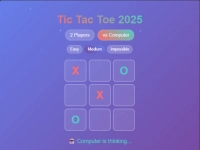



Getting Into Logical games
Steadily access the interface using mouse controls to interact with the game elements.
Core Experience
The core loop involves identifying patterns and applying logical rules to manipulate the game state. Players often arrange pieces or sequence events to satisfy specific conditions. Success requires careful planning and execution of steps to resolve the presented problem. This experience is central to strategy puzzle games. The mechanics usually involve grid-based movement or object placement. Players must observe outcomes and adjust their approach accordingly. This iterative process defines the challenge in thinking games. The environment is often abstract or minimalist to focus attention on the task.
Pro Advice
Focus on the objective and avoid unnecessary actions that do not contribute to the solution. Analyze the rules provided before attempting any moves to understand the constraints. Use a methodical approach to test hypotheses and observe the results carefully. Consider the consequences of each action in brain training games to improve efficiency.
Logical Facts
Q: What are the typical controls? A: Mouse clicks and drag actions are common.
Q: What is the main objective? A: To solve puzzles using deduction and logic.
Q: Is there a specific story? A: Not stated for the genre as a whole.
Q: What is the primary mechanic? A: Manipulating objects or information to reach a goal.