 CoolCrazyGames
Jigsaw Games
Jigsaw games present a digital recreation of assembling interlocking pieces into a coherent image. The core loop involves sorting pieces by color or edge before placing them into the emerging picture. This activity provides a methodical approach to image completion for the player. The experience is grounded in the classic puzzle games genre.

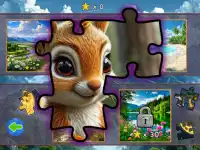



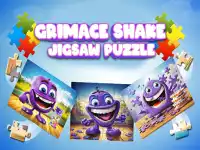
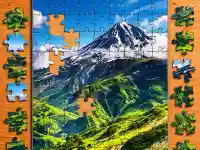













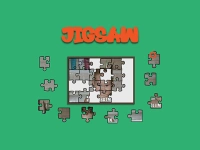







Getting Into Jigsaw games
Steadily pick up individual pieces and drag them to the board to build the complete image.
Core Experience
The core mechanics rely on visual recognition and spatial arrangement where the player must fit shapes together. This process is typically repeated until the full composition is visible. Success is measured by the correct placement of every piece. The activity serves as a mental exercise for the player. This category is often classified under brain training games. The objective remains consistent across different images. The interface allows for rotation and careful positioning of components. This results in the satisfaction of seeing the picture form. The focus is on logical games. The flow is continuous and uninterrupted.
Pro Advice
Sort edge pieces first to establish the frame. Use the rotation tool to align pieces instead of forcing them. Work on small sections of the image for better accuracy. Patience is required for the final assembly phase. This approach is common in picture puzzle games.
Jigsaw Facts
Q: What controls are used? A: Drag and drop pieces with a mouse or touch input.
Q: What is the main objective? A: Assemble scattered pieces to form a complete picture.
Q: Is there a timer? A: Not stated.
Q: What is the primary mechanic? A: Placing interlocking shapes into a designated board area.