 CoolCrazyGames
Fruit Games
Fruit games present a straightforward objective of collecting or arranging produce. Players typically interact with falling or stationary items on a screen. The genre often involves matching similar items to clear them from play. This category of fruit puzzle games focuses on simple, repetitive actions.






















Getting Into Fruit games
Steadily collect matching fruits to clear the screen and avoid clutter.
Core Experience
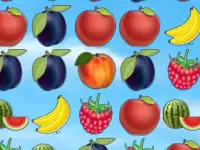
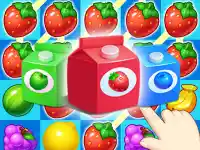
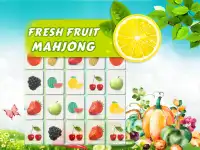
The core loop usually involves dragging or tapping to move items into groups. Players must arrange pieces to form sets of three or more for removal. The environment often features a grid or conveyor belt setup for item placement. Success relies on spatial awareness and quick decision making during active play. This structure defines the standard fruit matching games mechanics. Visual feedback signals successful combinations and clears space for new items. The challenge comes from managing limited space and incoming items. This is the essence of fruit sorting games and fruit collector games experiences.
Pro Advice
Focus on clearing items near the edges first to open up space. Plan moves ahead to create chain reactions for higher efficiency. Instead of rushing, observe the flow of new items before acting. Consistent play improves pattern recognition for faster completion times. This approach applies to fruit arcade games scenarios.
Fruit Facts
Q: What are the common controls? A: The genre typically uses mouse clicks or touch inputs to select and move items.
Q: What is the main objective? A: The goal is usually to match or collect specific items until a condition is met.
Q: Is there a specific story? A: The genre generally lacks a narrative and focuses on abstract gameplay mechanics.
Q: What is the primary mechanic? A: The main mechanic involves arranging items to form groups for removal or collection.