 CoolCrazyGames
Educational Games
Educational games focus on imparting knowledge through interactive digital experiences. They often involve solving puzzles or answering questions to progress. The player interacts with various subjects using straightforward input methods. These experiences prioritize learning over entertainment, making them distinct from other genres.










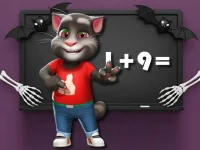





Getting Into Educational games
Steadily engage with the provided material using the standard input methods to interact with the educational content and complete the tasks presented.
Core Experience
The core loop involves reviewing information and then applying it through interactive challenges that test retention and understanding. Players must often select correct answers from multiple choices or arrange items into proper sequences based on learned facts. Success is measured by accuracy and the ability to recall information without assistance, reinforcing the educational goal.
Pro Advice
Focus on the instructional text before attempting any interactive task to ensure comprehension. Repetition of core concepts helps solidify the knowledge required for later stages. Instead of rushing, take time to verify each answer against the provided learning materials. Consistent practice with the game mechanics will lead to better retention of the subject matter.
Educational Facts
Q: What controls are typically used? A: Standard mouse clicks or touch inputs are used to select options and interact with the interface.
Q: What is the main objective? A: The main objective is to learn and demonstrate knowledge on specific topics through interactive tasks.
Q: Is there a specific story? A: Not stated.
Q: What is the primary mechanic? A: The primary mechanic is answering questions or solving educational puzzles.