 CoolCrazyGames
Doctor Games
Doctor games simulate clinical scenarios where players perform virtual medical procedures on patients. Typically these titles focus on diagnosis and treatment using various interactive tools. The genre often includes time management elements to simulate a busy medical practice. This introduction presents the core concept of doctor simulation games without embellishment.

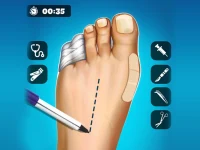







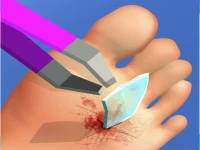


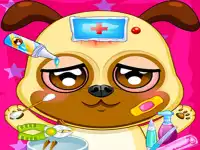

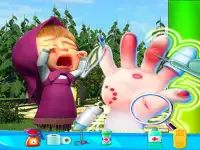






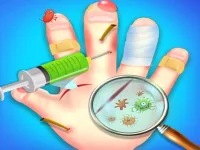



Getting Into Doctor games
Steadily perform medical actions by selecting instruments and applying treatments to the patient body.
Core Experience
Gameplay requires careful selection of diagnostic tools to identify patient symptoms and conditions accurately. Players must apply appropriate treatments such as bandaging wounds or prescribing medication within time constraints. The experience focuses on repetitive procedural tasks to maintain patient health and clinic efficiency. This defines the core loop of medical care games. Success depends on completing these actions without error or delay. Many titles feature a hospital management games aspect involving resource allocation.
Pro Advice
Focus on completing the required medical actions efficiently to manage patient flow. Instead of rushing, verify each diagnosis before applying any treatment to avoid mistakes. Use the available tools exactly as described to maintain consistency in procedures. This approach is vital for success in surgery games.
Doctor Facts
Q: What are the typical controls? A: Interactions usually involve clicking or tapping to select tools and apply treatments.
Q: What is the main objective? A: The objective is to diagnose and treat patients to restore their health.
Q: Is there a specific story? A: Not stated. The genre focuses on procedural medical tasks.
Q: What is the primary mechanic? A: The primary mechanic involves performing medical examinations and treatments.