 CoolCrazyGames
Design Games
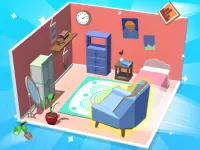
Design games focus on creating systems and visual outcomes through deliberate choices. Players often arrange elements to achieve a desired look or function. This category typically values precision and iterative refinement over rapid action. The experience of interior design games can feel methodical and focused.
























Getting Into Design games
Steadily engage with the core task of placing and adjusting elements to form a coherent whole.
Core Experience
The core loop involves selecting items from a catalog and positioning them within a defined space to meet aesthetic or functional goals. Players manipulate objects directly, often using drag and drop actions to assemble layouts and test configurations. Success is measured by the final arrangement's ability to satisfy the given parameters or personal vision. This process defines many decoration games and layout games experiences.
Pro Advice
Focus on establishing a clear focal point early in the arrangement process. Instead of placing everything at once, consider the negative space between objects carefully. Use the available tools to duplicate elements for consistent patterns across the design. Review the overall composition from different angles before finalizing any placement in city builder games.
Design Facts
Q: What are the typical controls? A: Mouse or touch input for selecting and placing items.
Q: What is the main objective? A: Arrange elements to create a specific visual or functional outcome.
Q: Is there a specific story? A: Not stated for this general category.
Q: What is the primary mechanic? A: Placing and adjusting objects within a constrained space.