






















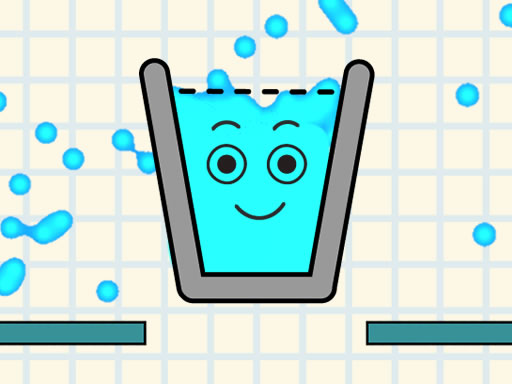

Happy Filled Glass 2
Happy Filled Glass 2 is a game where i draw lines to guide water. The Plain objective is to fill the glass using pencil controls.
How To Play Happy Filled Glass 2
Clicking and dragging lets you draw lines to guide the water flow, you must navigate through obstacles and use water-accelerating platforms.
Controls and Features
The game uses a mouse to click and drag for drawing lines. The stated features are burning platforms, water-accelerating platforms, and rotating platforms.
Tips
Most simple strategies help more than complex ones, and drawing short lines works best. You should use water-accelerating platforms to gain speed.
Happy Filled Glass 2 FAQs.
Q: What are the controls? A: Click and drag with a mouse to draw lines.
Q: What is the objective? A: Fill the glass with water using drawn paths.
Q: What stated features exist? A: Burning, water-accelerating, and rotating platforms.
Q: What is the main mechanic? A: Drawing lines to guide water flow.
Similar Pencil Physics Water Puzzle Game
Start guiding water by drawing lines to fill the glass using pencil controls, I think this one is easier, and use mouse clicks to navigate obstacles, check out Happy Filled Glass 4 for more fun with similar mechanics and physics.