 CoolCrazyGames
The best pong games to play right now
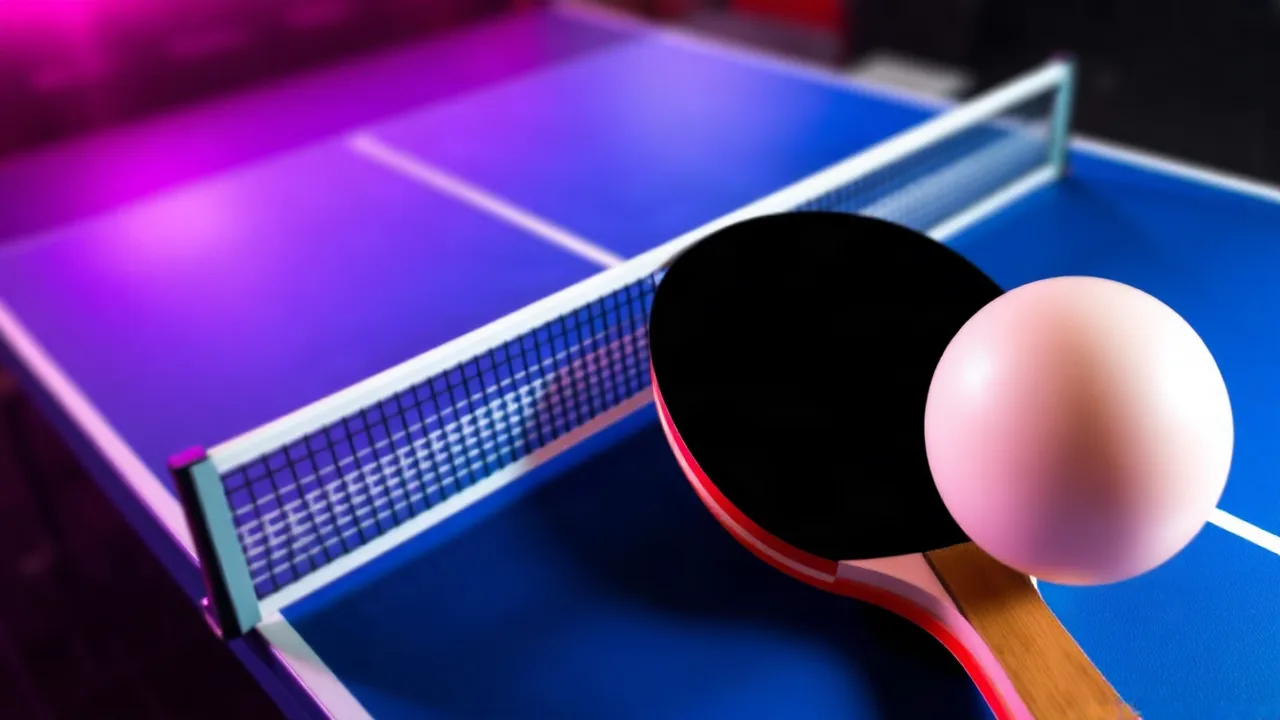
pong games is a classic arcade-style experience that brings back the simple joy of paddle-and-ball competition. Players control a paddle, return the ball, and try to outscore an opponent in fast-paced rallies. Whether you are revisiting a childhood favorite or discovering it for the first time, the appeal is immediate and easy to grasp. This page covers what to expect from the gameplay, how controls typically work, and tips to sharpen your reflexes, so you know exactly what you are getting into before you start playing.
Why the Classic Paddle Formula Still Works
There is a reason this genre has survived for decades. The rules are instantly understandable: keep the ball in play, angle your returns, and force your opponent out of position. No lengthy tutorials, no complicated menus. You can jump in and understand what to do within seconds, which makes it perfect for short breaks or longer sessions when you want to focus on pure reflex training.
The beauty lies in the escalating tension. A slow, easy rally can turn into a frantic exchange in moments as the ball speeds up and angles become sharper. That ramp-up keeps every match engaging, even after dozens of rounds.
What Makes the Gameplay Loop Addictive
The core loop is short and repeatable. Each round lasts a few minutes at most, so there is always time for one more match. Wins feel earned because they come down to timing and positioning rather than luck. Losses feel fixable too, since a small adjustment in paddle angle or starting position can turn the tide in the next round.
That quick turnaround between rounds is what keeps players coming back. You lose a close match, tweak your approach, and jump right back in. The feedback loop is tight and rewarding.
How Controls Typically Work
Most versions of this game use simple input: move your paddle up and down along the edge of the play area. Some versions let you control horizontal position as well, adding another layer of strategy. The controls are designed to be picked up instantly, whether you are using a keyboard, mouse, or touch screen.
Because the input is so minimal, the skill ceiling comes from reading the ball's trajectory and reacting quickly. Mastering the timing of your paddle movement is where the real challenge lives.
Session Pace and Match Flow
Matches move quickly. The ball accelerates as rallies continue, which means each point demands sharper reflexes than the last. Early points in a match tend to be slower and more tactical, while late points become a pure test of reaction speed.
This pacing works well for different play styles. If you prefer short bursts, you can play a single round and step away. If you want a longer session, the escalating difficulty provides plenty of challenge to keep you engaged.
| Feature | Details |
|---|---|
| Gameplay style | Fast-paced paddle-and-ball rally with simple, reflex-driven mechanics |
| Likely controls | Keyboard, mouse, or touch input for paddle movement |
| Session pace | Quick rounds that escalate in speed as rallies continue |
| Device fit | Works well on desktop and mobile screens |
| Skill focus | Timing, positioning, and reading ball trajectory |
Improving Your Reaction Time
The single biggest factor in winning is how quickly you can respond to the ball. A few habits help: keep your eyes near the center of the play area rather than tracking the ball all the way to the wall, and make small, controlled paddle movements instead of large sweeping ones. Small adjustments keep you ready for the next return.
Practicing in short, focused sessions builds reflex speed faster than long, scattered play. Ten minutes of deliberate practice, where you concentrate on reading angles and reacting cleanly, will improve your game more than an hour of casual rounds.
Positioning and Angle Control
Where your paddle makes contact with the ball determines the angle of the return. Hitting the ball near the center sends it straight back, while catching it on the edge angles it toward the corners. Skilled players use this to push their opponent out of position and create openings.
Try to return to a neutral center position after each hit. This keeps you ready for whatever angle comes back. If you get caught off-center, you are already playing catch-up.
Adapting to Increasing Ball Speed
As rallies extend, the ball speeds up. This is where many players falter, because the timing they used early in the match no longer works. Anticipating the speed increase and shortening your reaction window is key. Move your paddle earlier, not later, once the pace picks up.
Some players find it helpful to shift their paddle position slightly forward as the match progresses. Being closer to the ball's path gives you a fraction more time to react at high speeds.
Playing Across Different Devices
One of the strengths of this genre is its flexibility. It runs comfortably in a browser, which means you can play on a laptop, tablet, or phone without installing anything. This makes it a great option among free online games for quick sessions during a commute or a lunch break.
Touch screens work especially well for paddle movement, since dragging your finger along the edge of the screen feels natural. Keyboard and mouse setups offer more precision for players who want tighter control.
Getting the Most Out of Each Round
Treat each round as a learning opportunity. After a loss, think about what went wrong: were you too slow to react, out of position, or predictable with your returns? Small adjustments between rounds compound quickly over a session.
Also, pay attention to your opponent's patterns. If they always return to the same spot, exploit it. If they favor one side, push the ball the other way. Reading patterns is just as important as raw reflex speed.
FAQ
Do I need to download anything to play? No. This type of game runs directly in your browser, so you can start playing immediately without installing software.
Is it suitable for beginners? Yes. The controls are simple enough to pick up in seconds, and the difficulty scales naturally as rallies get faster, so new players are not overwhelmed right away.
How long does a typical round last? Most rounds last a few minutes, making it easy to fit a match into a short break or play several in a row during a longer session.
Does it work on mobile devices? Yes. Touch controls translate well to phones and tablets, and the simple layout fits smaller screens without feeling cramped.
What skills does it help develop? Regular play sharpens reaction time, hand-eye coordination, and the ability to read trajectories and anticipate movement.