 CoolCrazyGames
A Fun Family Guide to Kids Anatomy
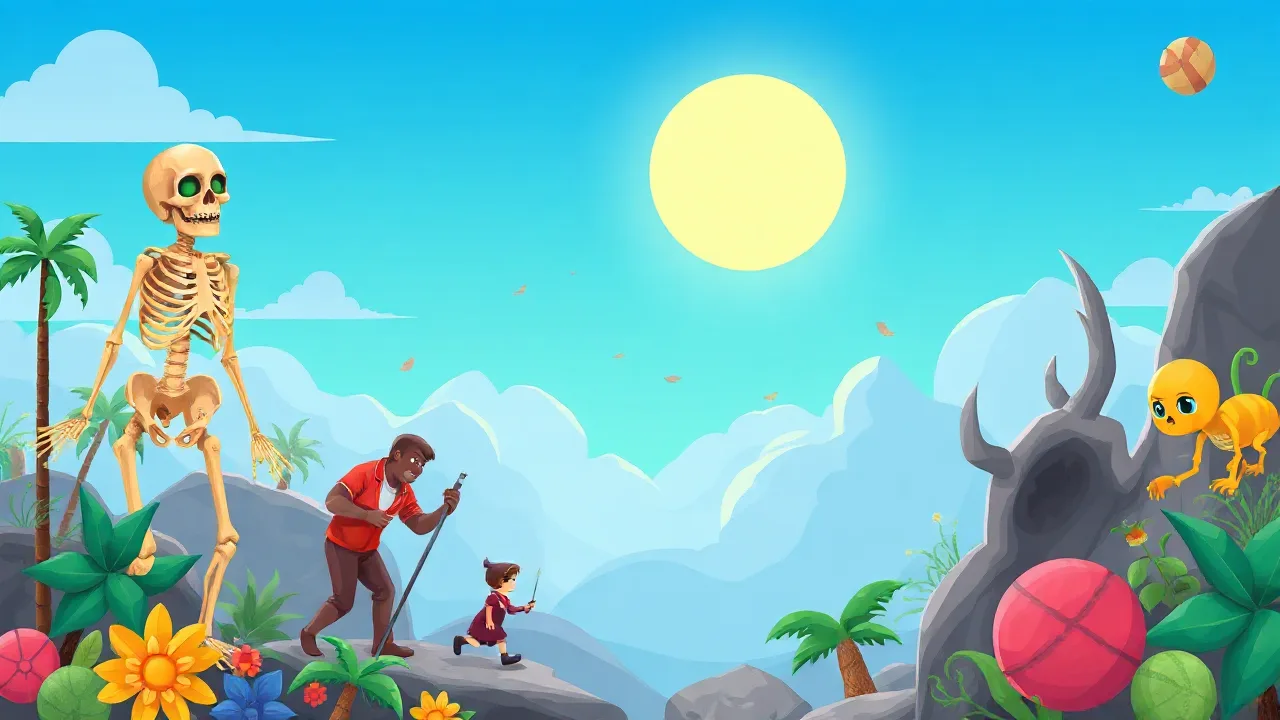
Dive into the fascinating world of the human body with Kids Anatomy, an engaging action game that transforms complex biological lessons into a vibrant adventure. This game is designed to spark curiosity in young minds, allowing players to explore the skeletal, muscular, and organ systems through interactive gameplay. It offers a perfect blend of entertainment and education, making it an excellent choice for family game time where learning happens naturally alongside fun.
Kids Anatomy takes a hands-on approach to biology. Instead of reading from a textbook, players actively engage with the anatomy of the human form. The game visualizes how bones connect, where muscles attach, and how organs function within the body cavity. By turning the human body into a playground, the game removes the intimidation factor often associated with science subjects. It invites players to become explorers of the self, discovering the intricate machinery that keeps us moving and breathing every day.
Why This Action Game Stands Out
While many educational games focus solely on puzzles or quizzes, this title incorporates action elements to keep the pace lively. Players might need to race against the clock to identify specific bones or navigate a character through challenges that require knowledge of body mechanics. This dynamic style ensures that the learning process never feels stagnant. The action-oriented mechanics help improve reaction times and hand-eye coordination while reinforcing anatomical facts, creating a dual-benefit experience for growing gamers.
Perfect for Family Bonding
Gaming is often a solitary activity, but Kids Anatomy is built for the living room. The "Family" tag is well-earned, as the game encourages parents and children to play together. Adults can assist with reading complex terms, while children often excel at the reflex-based action segments. This collaborative environment fosters communication and shared discovery. It provides a unique opportunity for families to discuss health and biology in a relaxed, enjoyable setting, bridging the gap between generations through play.
Visual Learning and Retention
Visuals play a crucial role in how children absorb information. This game utilizes bright, clear graphics to distinguish between different body systems. Color-coding helps players differentiate between arteries, veins, and nerves, or separate the rib cage from the spinal column. These visual cues act as memory anchors, making it easier for players to recall anatomical details long after they have stopped playing. The immersive 3D models allow for a spatial understanding of the body that 2D diagrams simply cannot provide.
Building Confidence in Science
Many students feel overwhelmed by biology due to the sheer volume of terminology. Kids Anatomy breaks these barriers down by introducing concepts one step at a time. As players progress through the levels, they unlock new parts of the body and learn their names and functions. This sense of progression builds confidence. When a child successfully identifies the femur or explains the function of the lungs because of the game, they gain a sense of accomplishment that translates to better performance in school and a lasting interest in science.
Intuitive Controls for Young Players
Accessibility is key when designing games for children. The control scheme in Kids Anatomy is streamlined and intuitive, ensuring that even younger players can navigate the complex environment of the human body without frustration. Simple button presses allow for movement, selection, and interaction with anatomical parts. This ease of use ensures that the focus remains on the educational content rather than struggling with complicated mechanics, making it a welcoming entry point for novice gamers.
Understanding Health and Wellness
Beyond just naming bones and muscles, the game subtly teaches the importance of health. By seeing how the body works as a cohesive unit, players begin to understand why nutrition, exercise, and sleep are vital. The game might show how strong muscles support the skeleton or how the heart pumps blood to fuel energy. These insights plant the seeds for a healthy lifestyle, encouraging kids to take better care of their own bodies by understanding the amazing biology they possess.
FAQ
Is this game suitable for all ages?
Yes, the game is designed with a family-friendly interface. While the action elements are engaging for older kids, the educational content is presented in a way that is accessible for younger children as well. It serves as a great introduction to biology for early learners.
Does the game require an internet connection?
Once the game is loaded, it generally runs smoothly without the need for a constant internet connection, making it a great option for travel or areas with spotty Wi-Fi. However, initial access to the game portal may require connectivity.
Can this game help with school studies?
Absolutely. The terminology and systems covered in the game align well with standard elementary and middle school science curriculums. It acts as a powerful study aid that reinforces classroom lessons in a fun, memorable way.
Is it purely educational or is it actually fun?
The developers have prioritized the "game" aspect just as much as the education. With action challenges, scoring systems, and interactive exploration, it feels like a genuine adventure rather than a digital textbook.