 CoolCrazyGames
Sport Games
Sport games replicate athletic competition through structured digital systems. They focus on direct control over athletes and teams. The genre emphasizes timing and precise input execution. Players engage with sport simulation games for realistic outcomes.



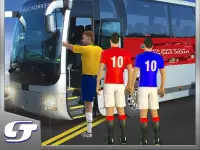




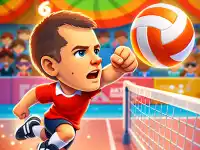




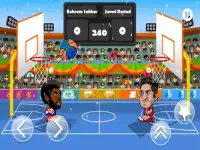
Getting Into Sport games
Typically Steadily use the controller to pass the ball and shoot toward the goal.
Core Experience
The core loop involves managing player position to maintain defensive shape while looking for offensive openings. Matches progress through timed periods where maintaining stamina and executing set plays become critical factors. Players execute specific actions like dribbling and tackling to control the game flow. team strategy games and multiplayer sport games define this competitive structure.
Pro Advice
Focus on timing your passes to avoid turnovers during active play. Positioning your athletes correctly prevents the opponent from creating open shots. Instead of rushing every action, wait for the right moment to strike. Practice sports competition games to refine your reaction speed.
Sport Facts
Q: What are the typical controls? A: Controls usually involve directional inputs and action buttons for passing and shooting.
Q: What is the main objective? A: The objective is to score more points than the opposing team within the time limit.
Q: Is there a specific story? A: Not stated, the focus is on the match simulation itself.
Q: What is the primary mechanic? A: The primary mechanic is controlling athlete movement and executing sport-specific actions.