 CoolCrazyGames
Skating Games
Skating games focus on controlling a skater to perform tricks and navigate environments. The player often uses directional inputs to guide movement along a path. Typical objectives involve reaching a finish point or achieving a high score. This description outlines the general structure of skating games.


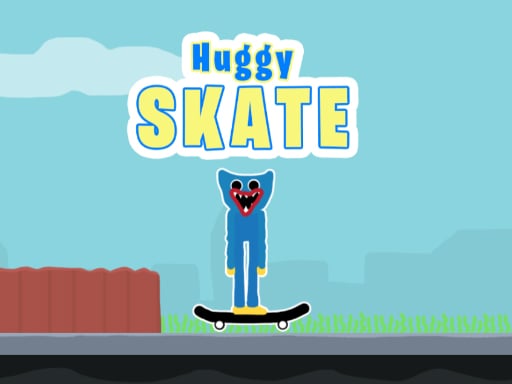
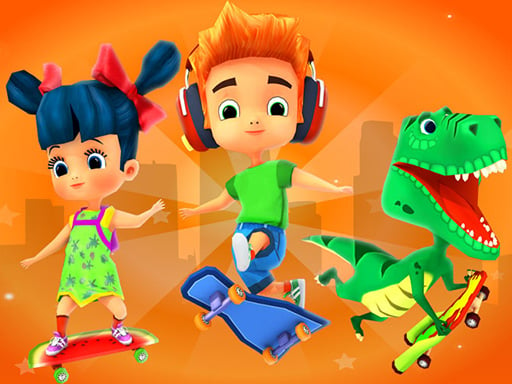

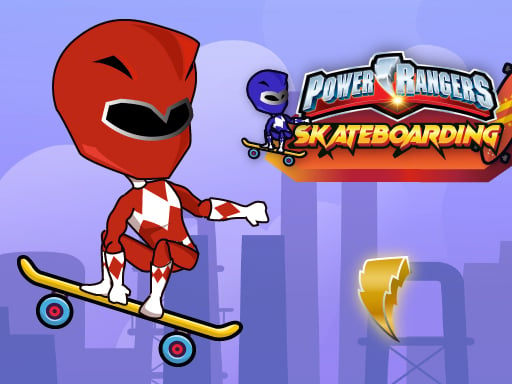
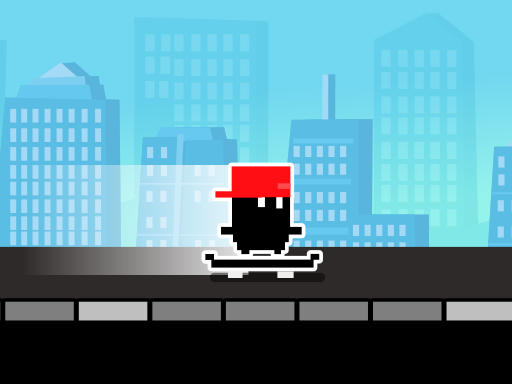
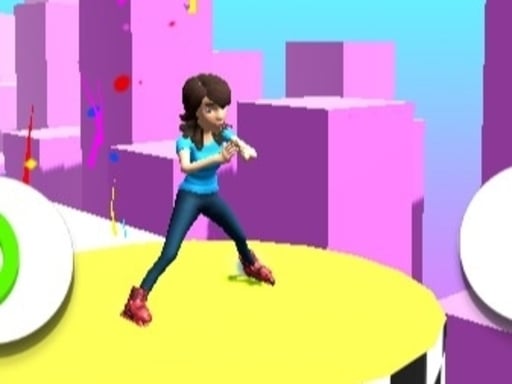
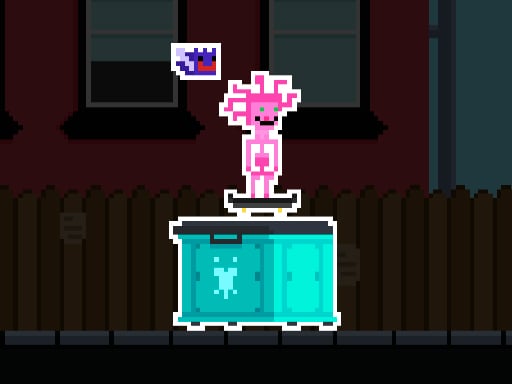

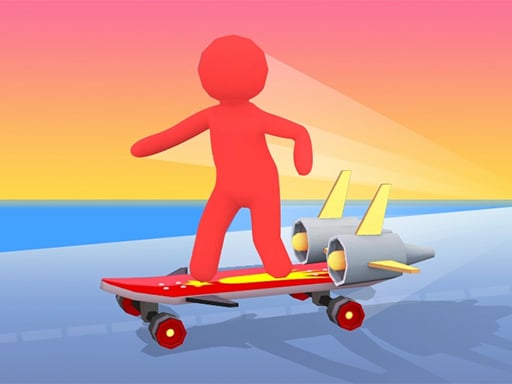
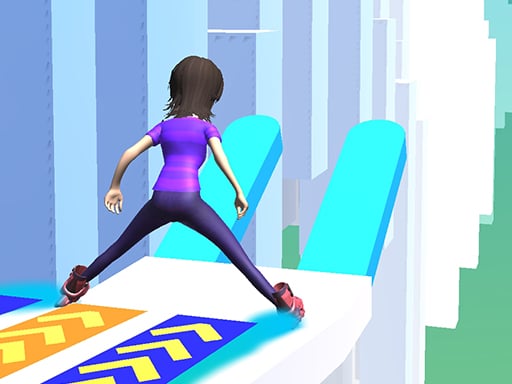
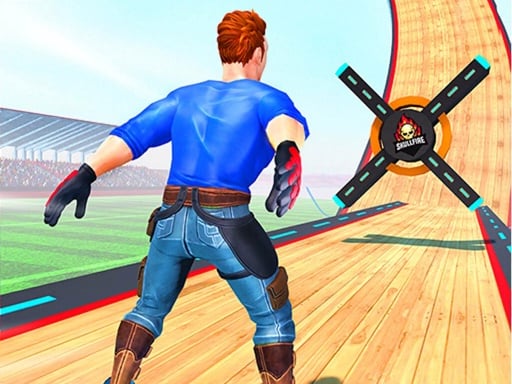
Getting Into Skating games
The player controls a skater and must Steadily perform tricks and navigate obstacles to achieve objectives.
Core Experience
The core loop involves performing tricks such as flips and grinds to build a score multiplier. Players must maintain momentum through careful timing of acceleration and turns. The environment usually features ramps, rails, and curved surfaces for interaction. Mastering the physics of balance and speed is essential for success. The experience centers on flow and precision rather than combat or exploration. Success requires chaining moves without losing balance or crashing. The visual style often mimics street or park settings. Players manage their avatar's stability while executing complex maneuvers. This defines the gameplay of skating simulation games. The primary goal is to achieve the highest score possible. skating arcade games emphasize high score chasing. trick based games require precise input timing.
Pro Advice
Focus on maintaining momentum rather than stopping frequently to plan moves. Use the environment to link tricks together for higher scores. Practice controlling the skater's rotation in the air for better landings. Instead of rushing, observe the layout to find optimal paths. extreme sports games reward consistent flow and execution.
Skating Facts
Q: What are the typical controls? A: Directional inputs control movement and trick execution.
Q: What is the main objective? A: The objective is to perform tricks and achieve a high score.
Q: Is there a specific story? A: The genre typically lacks a specific named story or characters.
Q: What is the core mechanic? A: The core mechanic involves physics-based movement and trick timing.