 CoolCrazyGames
Hex Games
Hex games present a distinct structural challenge using six-sided tiles arranged in a honeycomb pattern. The player often navigates a map or manages resources across these interlocking cells. This category typically focuses on spatial reasoning and planning moves carefully. Many titles include hex strategy games as a core play style.

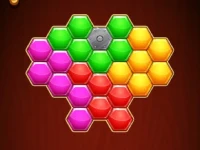
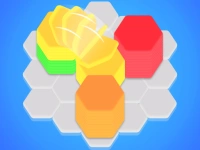


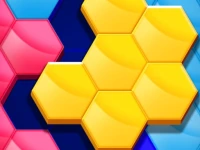
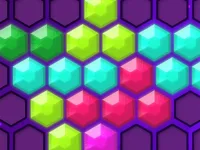

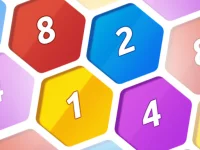
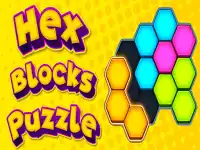

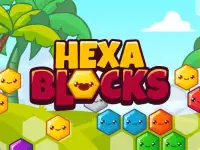



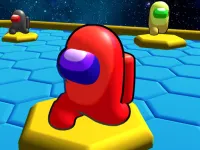
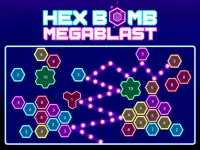







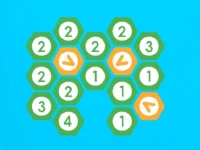

Getting Into hex games
Steadily place pieces or move units across the hex grid to achieve the objective.
Core Experience
The core experience revolves around controlling territory by occupying adjacent hexes and blocking opponent expansion. Players must manage limited resources to deploy units or build structures on the board. The mechanic involves calculating lines of sight and movement range across the flat-topped geometry. This defines the hex grid games category. Interaction often happens through direct conflict or area control rather than exploration. Many titles feature turn based hex games for methodical decision making. The visual style usually presents a top-down view of the map. This creates a clear tactical overview for the player. This defines the hex puzzle games category.
Pro Advice
Focus on securing high-value hexes early in the session to gain an advantage. Always consider the adjacency rules when planning your next move on the board. Avoid overextending your position as it leaves gaps for opponents to exploit. Try mobile hex games for accessible play sessions.
hex Facts
Q: What are the typical controls? A: Inputs usually involve selecting a hex and confirming an action.
Q: What is the main objective? A: The goal is typically to control more hexes or eliminate opponent units.
Q: Are there specific named characters? A: Not stated, but units usually represent generic military or resource types.
Q: What is the main mechanic? A: The core mechanic involves moving and placing items on a hexagonal grid.