 CoolCrazyGames
Fighting Games
Fighting games focus on direct combat between two characters. Typically they use a two-dimensional plane for movement and attack spacing. The genre prioritizes quick reflexes and knowledge of move properties over exploration. Players engage in competitive sessions that test reaction speed and pattern recognition.


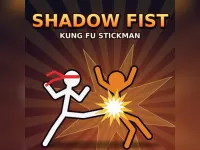








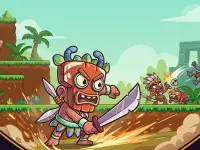

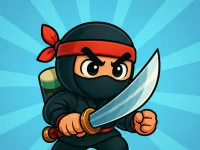

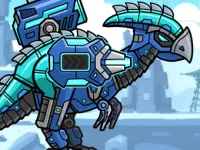
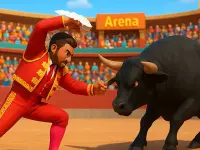

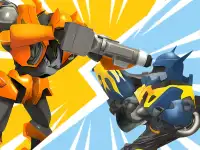
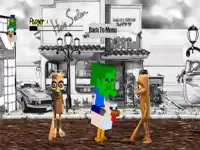

Getting Into Fighting games
Steadily execute basic punches and kicks while managing your distance to the opponent.
Core Experience
Core matches revolve around depleting an opponent's health bar through successful strikes and blocks. Players often use special move inputs to perform powerful attacks that can change the flow of the fight. The experience rewards practicing combos to link normal attacks into high damage sequences. This defines the gameplay for fighting action games. Maintaining awareness of spacing and timing is essential for success in these competitive fighting games.
Pro Advice
Focus on mastering a few basic combos rather than trying to learn everything at once. Practice blocking high and low attacks to reduce incoming damage during matches. Instead of rushing in constantly, observe the opponent's patterns before committing to an attack. Use the training mode to refine execution for arcade fighting games.
Fighting Facts
Q: What are the typical controls? A: Directional inputs and buttons for punch, kick, and block.
Q: What is the main objective? A: Reduce the opponent's health to zero within the time limit.
Q: Is there a stated single-player story? A: Not stated.
Q: What is a core mechanic? A: Combining normal moves into sequences for increased damage.