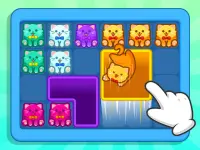
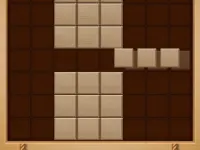
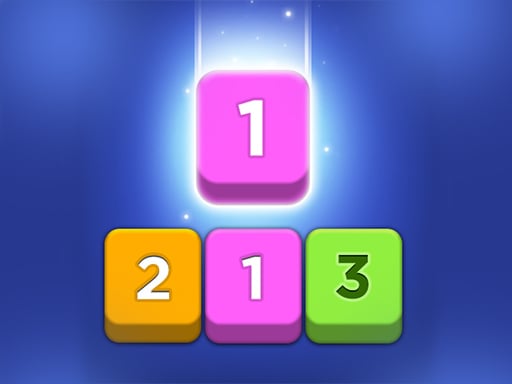
Block games involve placing and arranging blocks to achieve an objective. The player often manipulates a grid of cubes to clear space or build structures. Typically the controls are simple and the pace is manageable for casual sessions. These games are a staple of the puzzle block games genre.
Last Updated:
Getting Into Block games
Steadily use controls to manipulate blocks and clear the grid.
Core Experience
The core loop usually involves matching or arranging blocks to remove them from the play area. Players often face a grid that fills up over time requiring careful placement. These games rely on pattern recognition and spatial planning to maintain control of the board. The experience is defined by grid based games where the player manages space. Success comes from clearing lines or groups of blocks efficiently. The mechanic of line clearing games is central to maintaining board control. This category is known for stacking block games where pieces accumulate.
Pro Advice
Focus on clearing the bottom rows first to prevent overflow. Instead of random placement, plan several moves ahead. Use the edges of the grid to anchor your structures. Patience is key when waiting for the right block to appear. This approach applies to block puzzle games where foresight matters.
Block Facts
Q: What are the typical controls? A: The controls are usually simple clicks or taps to place blocks. Q: What is the main objective? A: The objective is to arrange or clear blocks efficiently. Q: Is there a specific story? A: Not stated, the focus is on mechanics rather than narrative. Q: What is the primary mechanic? A: The primary mechanic is manipulating blocks on a grid.